What Is IPTV? Complete Beginner Guide (2026)
Television has changed dramatically over the last decade. Traditional cable and satellite services are slowly being replaced by more flexible internet-based streaming platforms.
One of the most popular technologies driving this change is IPTV. If you’ve ever wondered what IPTV is, how it works, and why millions of users worldwide are switching to it, this guide explains everything in simple terms.
By the end of this article, you’ll clearly understand why IPTV is becoming the future of television entertainment and what to look for when choosing a provider.
What Is IPTV?
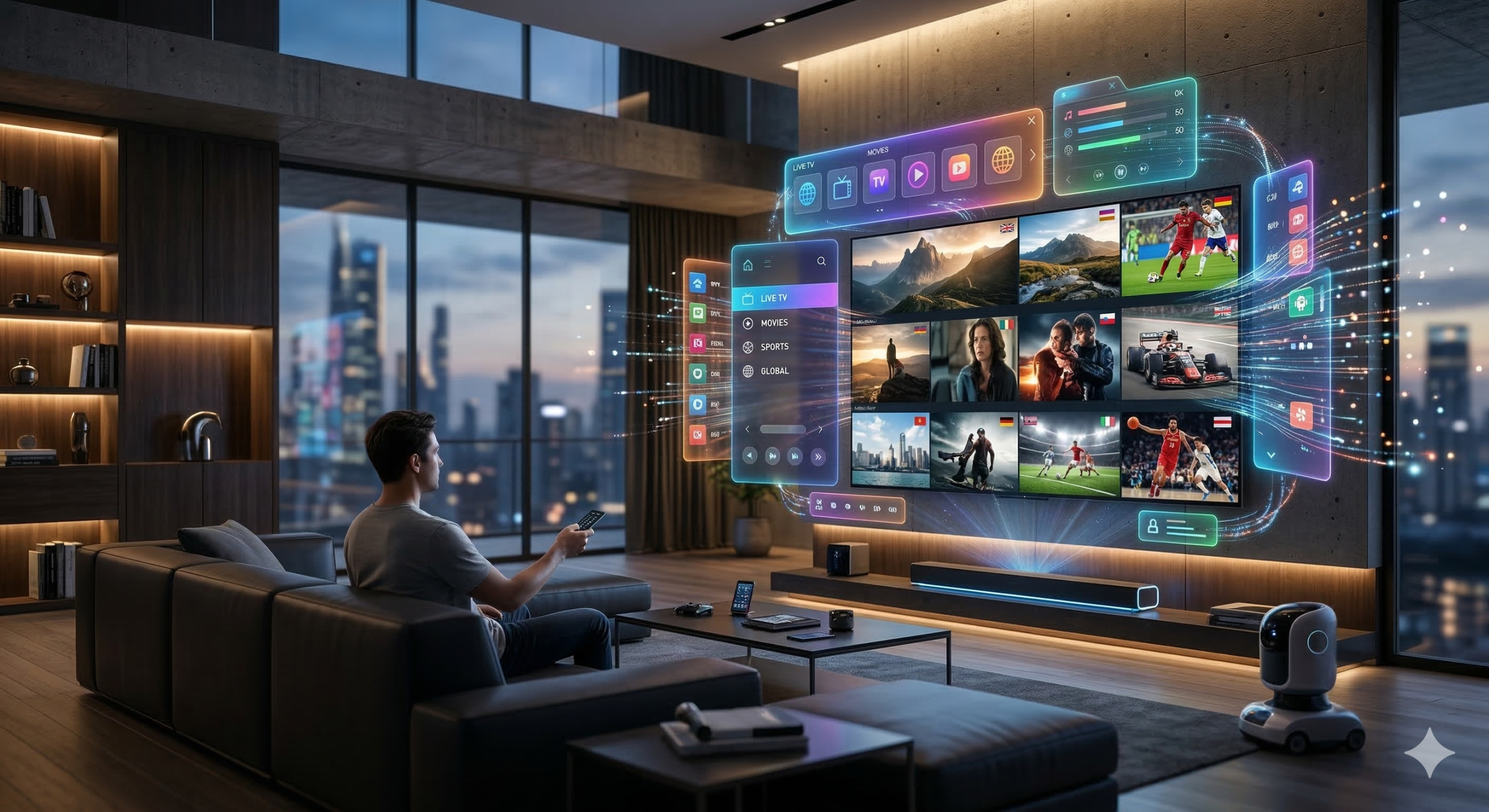
IPTV stands for Internet Protocol Television. It is a technology that delivers television content through the internet instead of traditional satellite or cable systems.
Unlike cable TV, which transmits signals through physical cables or satellite dishes, IPTV streams content using internet networks. That means users can watch television through their internet connection on a wide variety of devices.
IPTV allows viewers to access:
- Live TV channels
- Movies and TV series
- Sports broadcasts
- On-demand entertainment
Because IPTV uses the internet, viewers are no longer restricted to watching television on a single cable-connected TV.
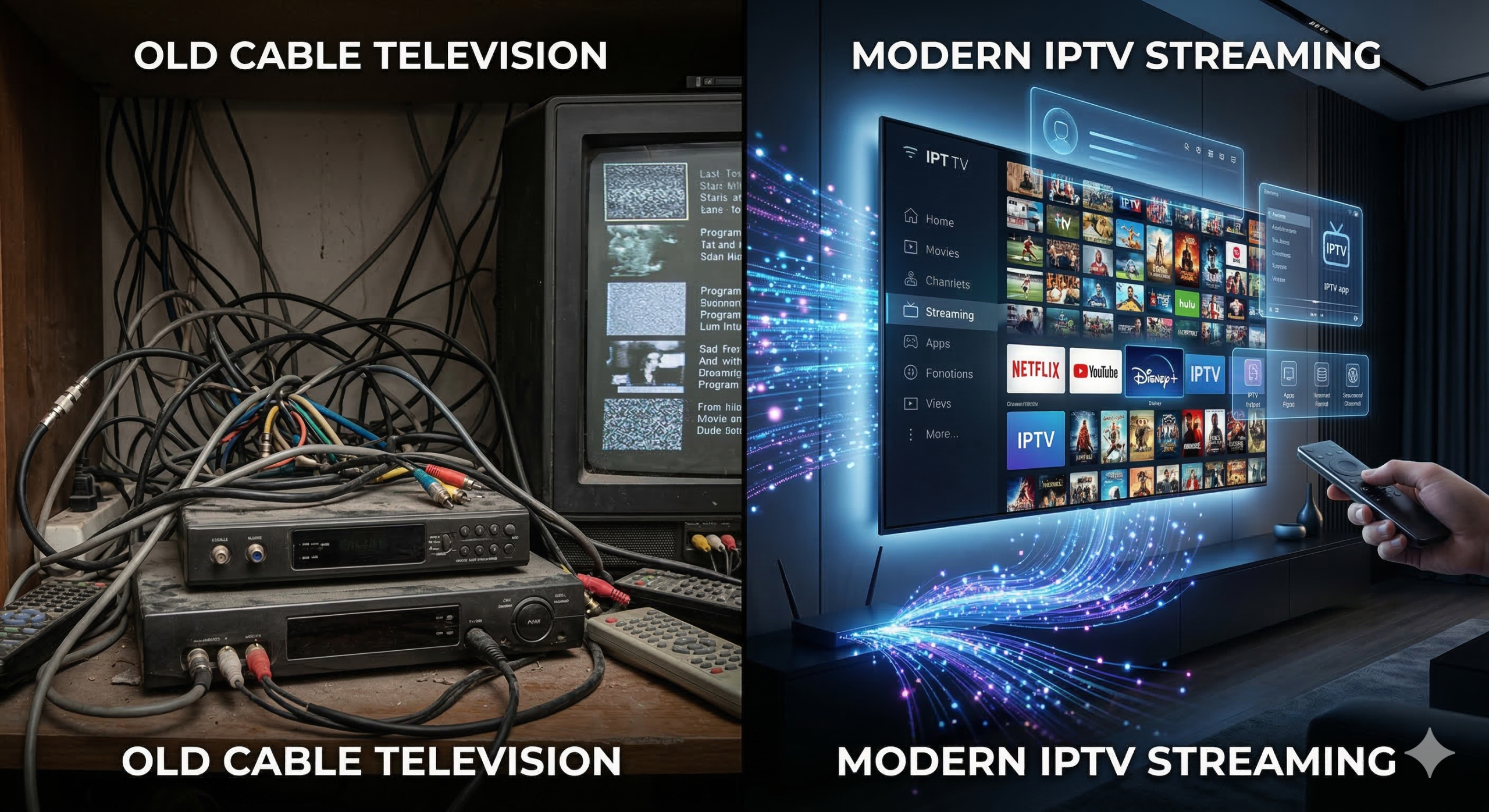
IPTV vs Cable TV
One of the main reasons IPTV is growing so quickly is because it offers several advantages over traditional cable television.
Cost Efficiency
Cable subscriptions can be expensive and often require long-term contracts. IPTV services usually offer more affordable plans while providing a larger selection of channels.
Channel Variety
Cable TV packages are limited to regional providers, while IPTV platforms can deliver global channels from multiple countries.
Many IPTV services provide thousands of channels including:
- International TV networks
- Sports channels
- Movie channels
- News stations
- Kids entertainment
Flexibility
Cable TV requires a fixed setup at home, but IPTV allows users to watch content anywhere with an internet connection.
Multi-Device Access
Unlike traditional cable systems, IPTV services can work on multiple devices simultaneously, depending on the subscription plan.
Quick Comparison Table
| Feature | IPTV | Cable TV |
|---|---|---|
| Pricing | Usually more affordable | Often higher monthly cost |
| Channel Access | Global and flexible | More region-limited |
| Device Support | Multiple device types | Usually home TV setup only |
| Viewing Flexibility | Watch anywhere with internet | Mostly fixed-location viewing |
IPTV Streaming Technology Explained
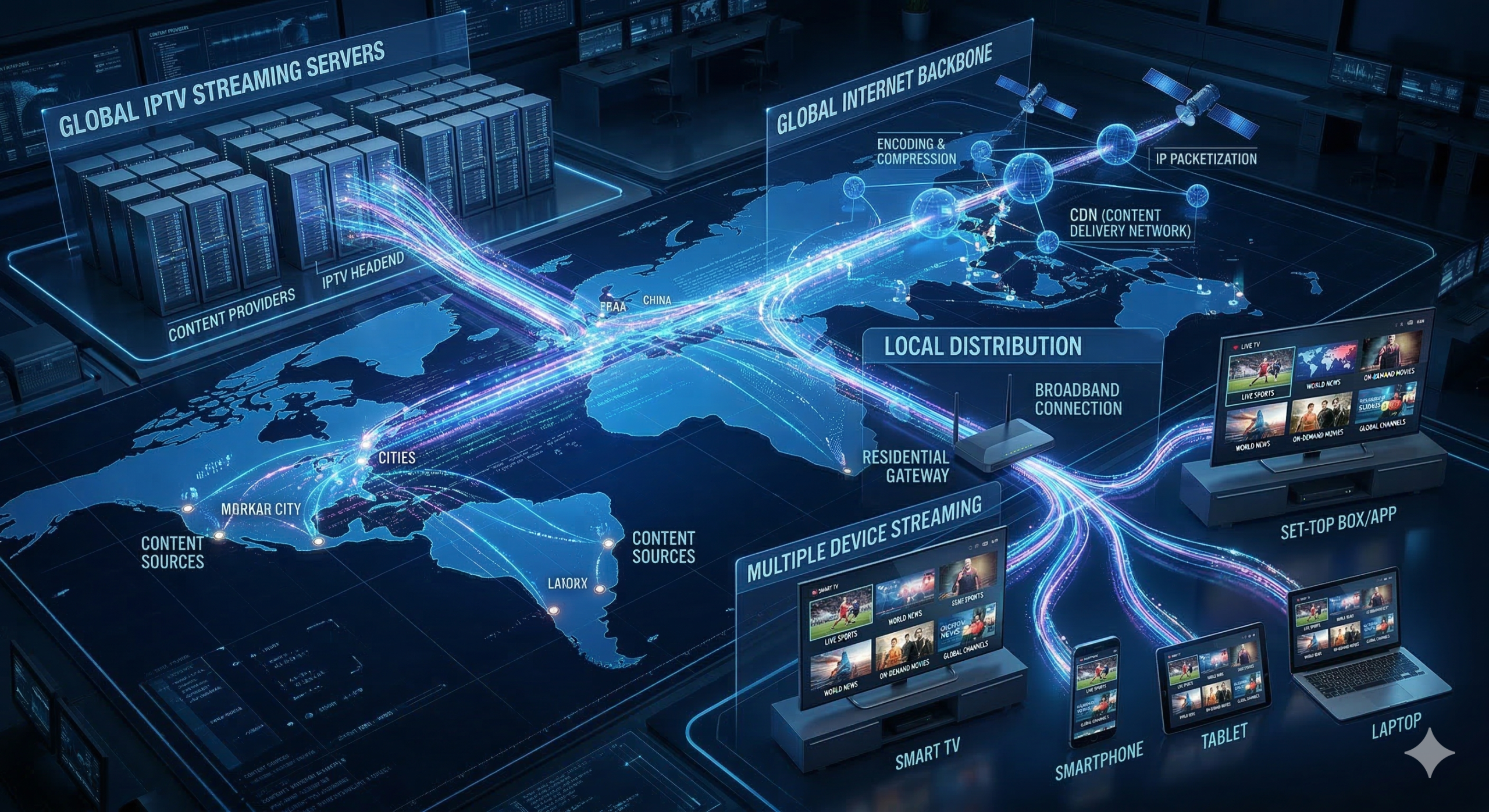
IPTV works by transmitting television content through internet protocol networks, which is the same technology used for websites and streaming platforms.
When you subscribe to an IPTV service, the provider gives you access credentials or a streaming playlist. This playlist connects your device to streaming servers that host television channels and video libraries.
When you select a channel, the IPTV app requests the stream from the server and begins playing it on your device.
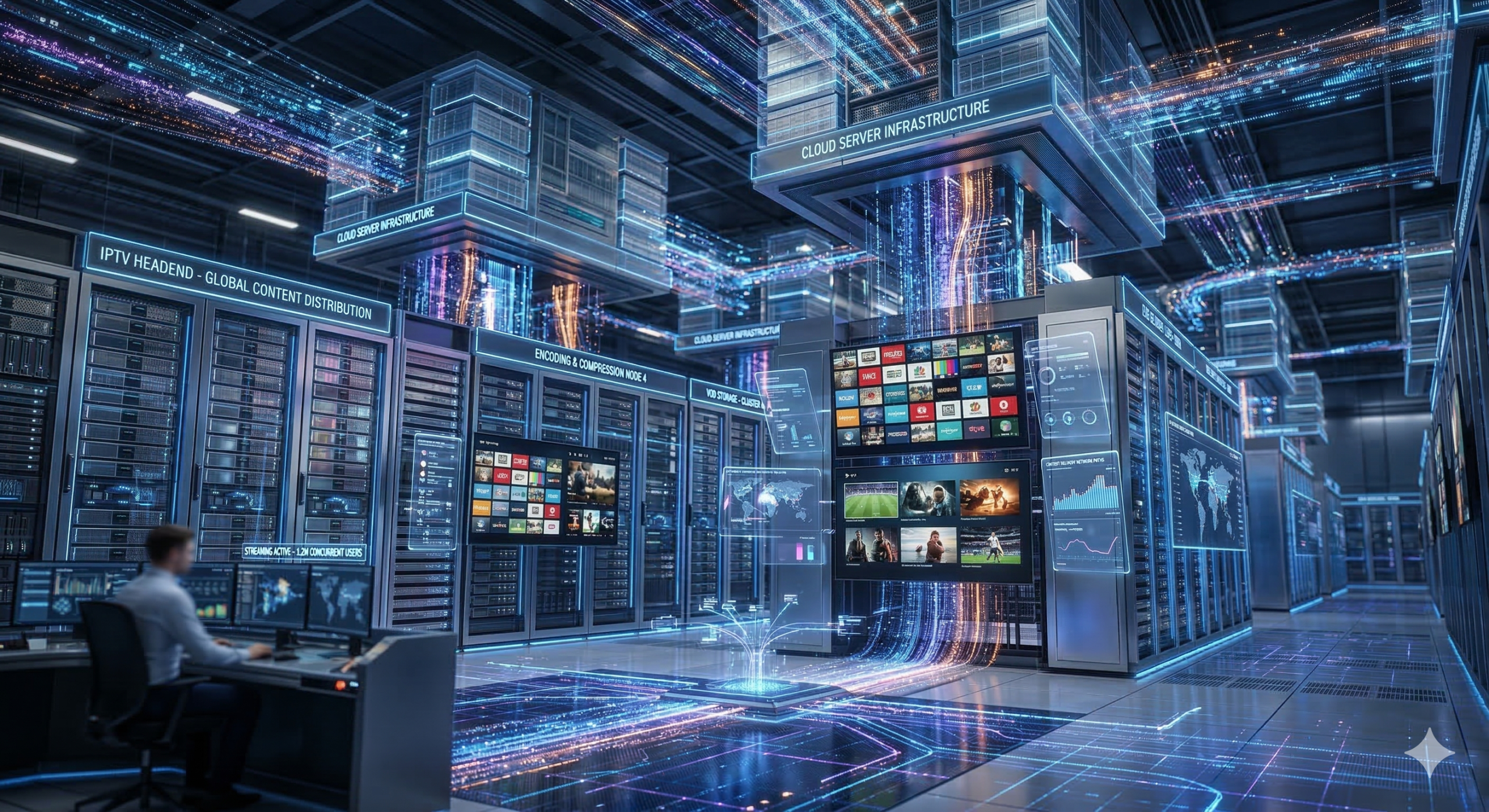
Modern IPTV services use advanced infrastructure to provide:
- Fast channel loading
- Stable streaming servers
- Minimal buffering
- High-quality video streams
Many IPTV providers now support 4K, Full HD, and HD streaming depending on internet speed and device compatibility.
Devices That Support IPTV
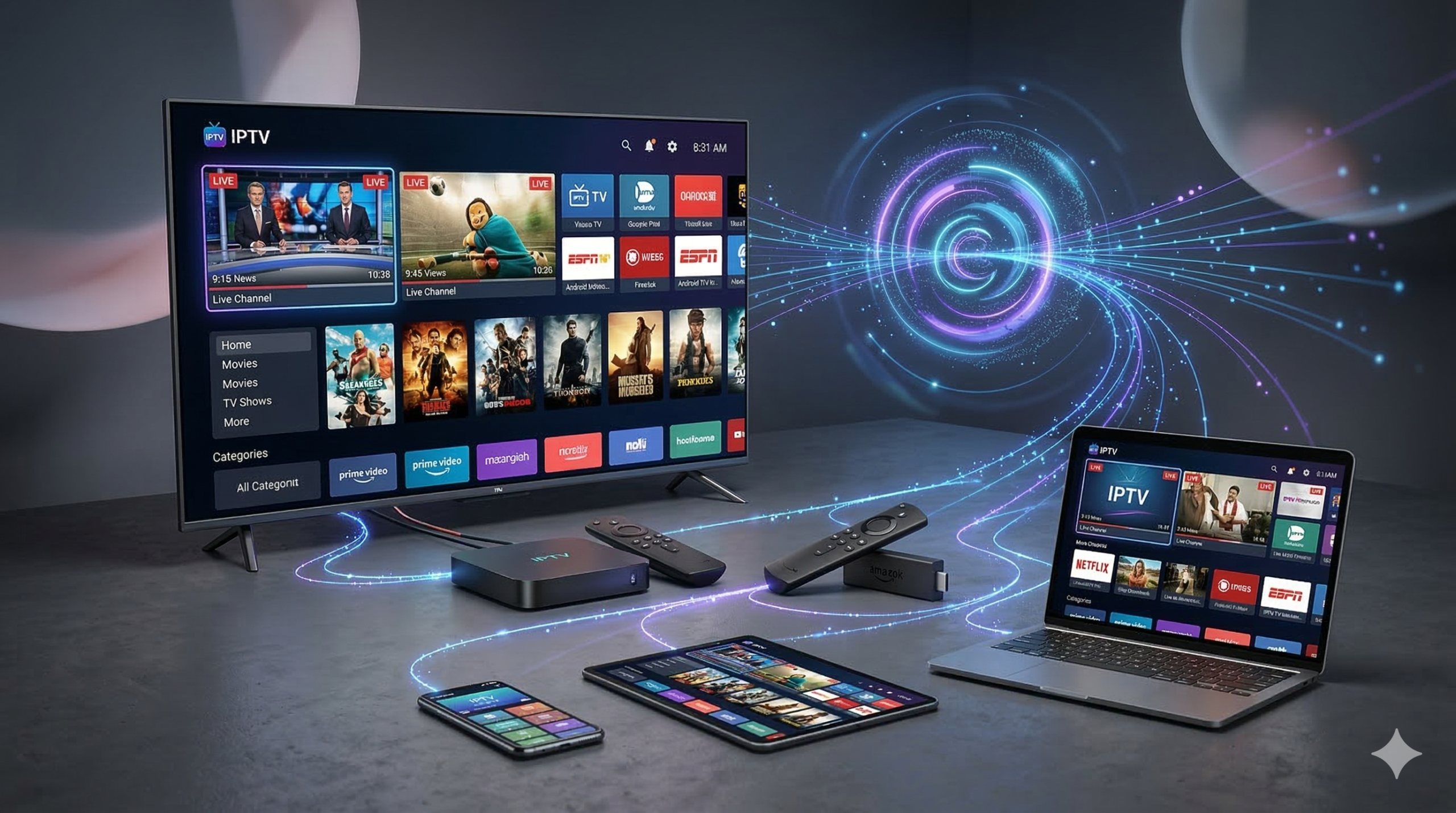
One of the biggest advantages of IPTV is compatibility. Unlike cable TV, which requires specialized hardware, IPTV can work on everyday internet-connected devices.
Smart TVs
Many modern smart TVs support IPTV apps directly, allowing users to stream channels without extra hardware.
Android TV Boxes
Android TV devices are widely used for IPTV because they support many IPTV applications.
Amazon Firestick
The Firestick is one of the most popular streaming devices for IPTV because it is affordable and easy to use.
Smartphones and Tablets
Users can watch IPTV on mobile devices through dedicated IPTV apps, making entertainment portable.
Laptops and PCs
IPTV can also be accessed through IPTV players installed on desktop or laptop computers.
How IPTV Subscriptions Work
An IPTV subscription gives users access to IPTV streaming servers and channel libraries. After purchasing a plan, users usually receive login details or a playlist link.
This commonly includes:
- A username and password
- An M3U playlist link
- Or an Xtream Codes login
These credentials are entered into an IPTV player app. Once connected, users can instantly access live TV channels, sports broadcasts, movies, series libraries, and on-demand content.
Subscriptions are typically available for:
- 1 month
- 3 months
- 6 months
- 12 months
Some providers also offer multi-device connections so several screens can stream simultaneously under one plan.
Choosing a Reliable IPTV Provider
Because IPTV services rely on internet streaming servers, choosing a reliable provider is essential for a smooth viewing experience.
A good IPTV service should offer:
- Stable high-performance servers
- High-quality streaming in HD, Full HD, or 4K
- Wide channel selection
- Fast activation
- Responsive customer support
One platform gaining popularity among IPTV users is IPTV Mercury, which provides stable streaming and flexible subscription plans.
Users can explore IPTV Mercury plans here:
https://iptvmercury.com/all-iptv-plans-in-one-place/
Or browse available subscriptions in the shop:
IPTV Mercury also offers a reseller system for users interested in starting their own IPTV business:
https://iptvmercury.com/product/iptv-mercury-reseller-system/
Why IPTV Is the Future of Television
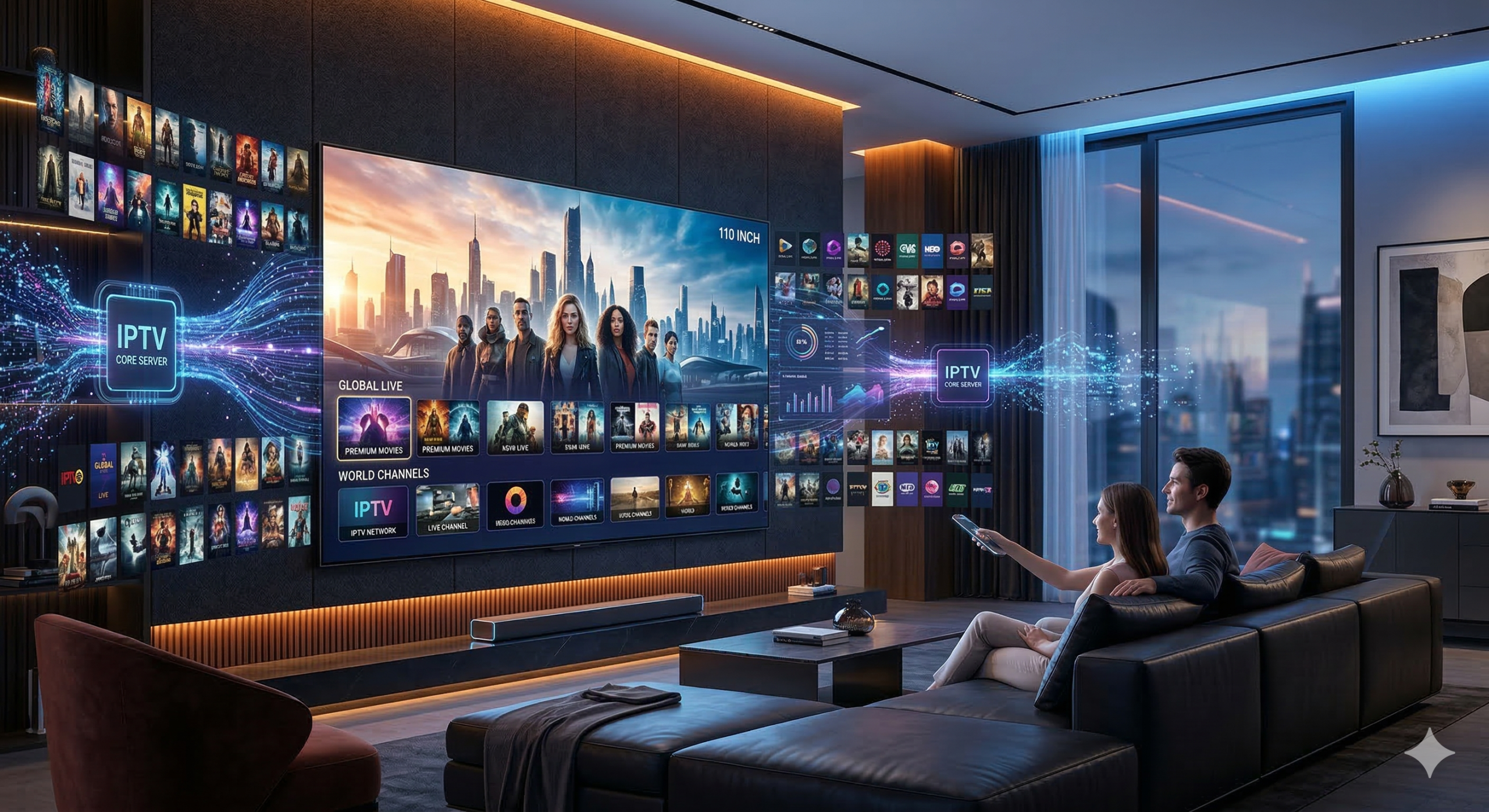
As internet speeds continue improving worldwide, IPTV adoption is growing rapidly. Consumers are moving away from traditional cable services because IPTV offers more convenience and better value.
IPTV continues to grow because it offers:
- More flexibility
- More content choices
- Better compatibility with modern devices
- Lower costs
Streaming services have already reshaped entertainment, and IPTV represents the next evolution of how television content is delivered.
Frequently Asked Questions
What does IPTV mean?
IPTV means Internet Protocol Television. It is a way of delivering TV content through the internet instead of traditional cable or satellite systems.
Is IPTV better than cable TV?
For many users, yes. IPTV is often more flexible, works on more devices, and can provide broader channel access at a lower cost.
What devices can run IPTV?
IPTV can run on Smart TVs, Android TV boxes, Firestick devices, smartphones, tablets, laptops, and desktop PCs.
How do IPTV subscriptions work?
After purchase, users typically receive login credentials or a playlist link that can be entered into an IPTV app to unlock streaming access.
What should I look for in a good IPTV provider?
Look for server stability, high video quality, broad channel selection, fast activation, responsive support, and strong device compatibility.
Can IPTV support multiple devices at once?
Yes, some IPTV plans offer multiple connections so more than one screen can stream at the same time, depending on the subscription.
Final Thoughts
IPTV is transforming the way people watch television by delivering live channels and on-demand content through internet technology.
Instead of relying on outdated cable systems, IPTV allows viewers to access global entertainment across multiple devices with greater flexibility.
Understanding what IPTV is and how it works helps consumers make more informed decisions about their entertainment options.
If you’re looking for a modern IPTV solution with stable streaming and premium content access, exploring platforms like IPTV Mercury can be a great place to start.
Start Streaming with IPTV Mercury
Discover flexible IPTV plans, stable servers, and premium streaming support for modern devices.


