IPTV vs Netflix vs Cable TV – Which is Better in 2026?
Entertainment technology has evolved rapidly over the past decade. Traditional cable television is no longer the only option for watching movies, live sports, and TV shows.
Today, consumers can choose between several modern entertainment platforms, including IPTV services, streaming platforms like Netflix, and traditional cable TV providers.
But which one is actually better in 2026? That depends on your budget, viewing habits, and the kind of content you care about most.
What Is IPTV?
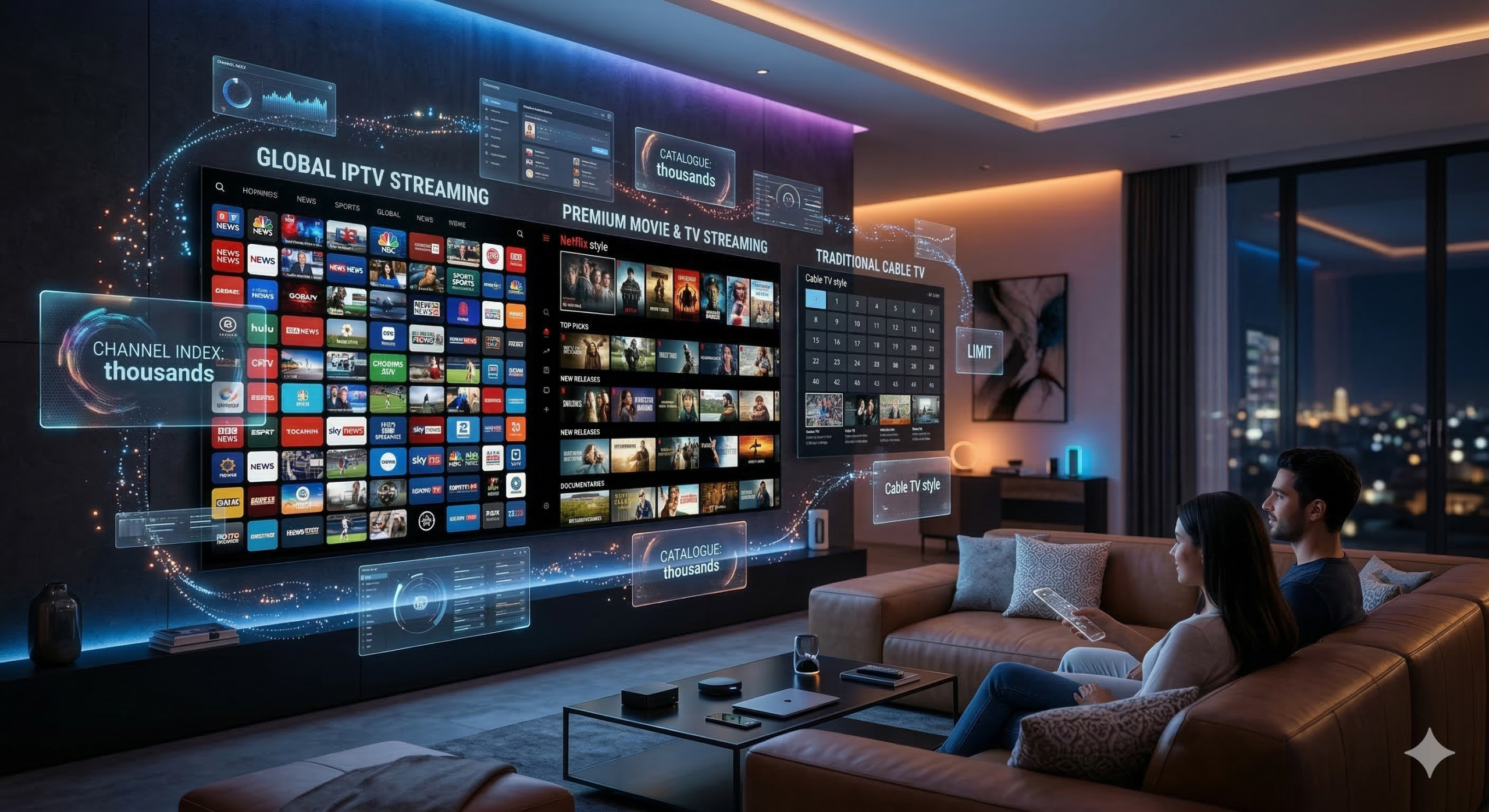
Before comparing these services, it helps to understand what IPTV is. IPTV stands for Internet Protocol Television, which means TV content is delivered through internet networks rather than traditional cable or satellite systems.
Instead of receiving signals through cables, IPTV streams live TV channels, movies, and on-demand content directly through an internet connection.
Users can watch IPTV on multiple devices including:
- Smart TVs
- Android TV devices
- Amazon Firestick
- Smartphones
- Tablets
- Computers
IPTV vs Netflix vs Cable TV – Cost Comparison
Cost is one of the biggest factors when choosing an entertainment platform. The differences between cable TV, Netflix, and IPTV can be significant over time.
Cable TV Costs
Traditional cable subscriptions are often the most expensive option. Many providers charge monthly fees that can include equipment rental, installation costs, and premium channel add-ons.
In many regions, cable TV can cost between $60 and $120 per month, depending on the package.
Netflix Subscription Costs
Netflix offers several subscription tiers based on streaming quality and the number of simultaneous screens. It is generally more flexible than cable, but it only includes on-demand content.
Netflix does not include live TV channels, live sports, or real-time broadcasts.
IPTV Subscription Costs
IPTV services are usually much more affordable while often providing far more content. Many IPTV providers offer flexible options such as 1-month, 3-month, 6-month, and 12-month plans.
Despite the lower price, IPTV services often include thousands of channels along with on-demand content libraries.
For example, platforms like IPTV Mercury offer flexible plans designed for viewers who want access to global entertainment without the high cost of traditional cable.
Quick Cost Comparison Table
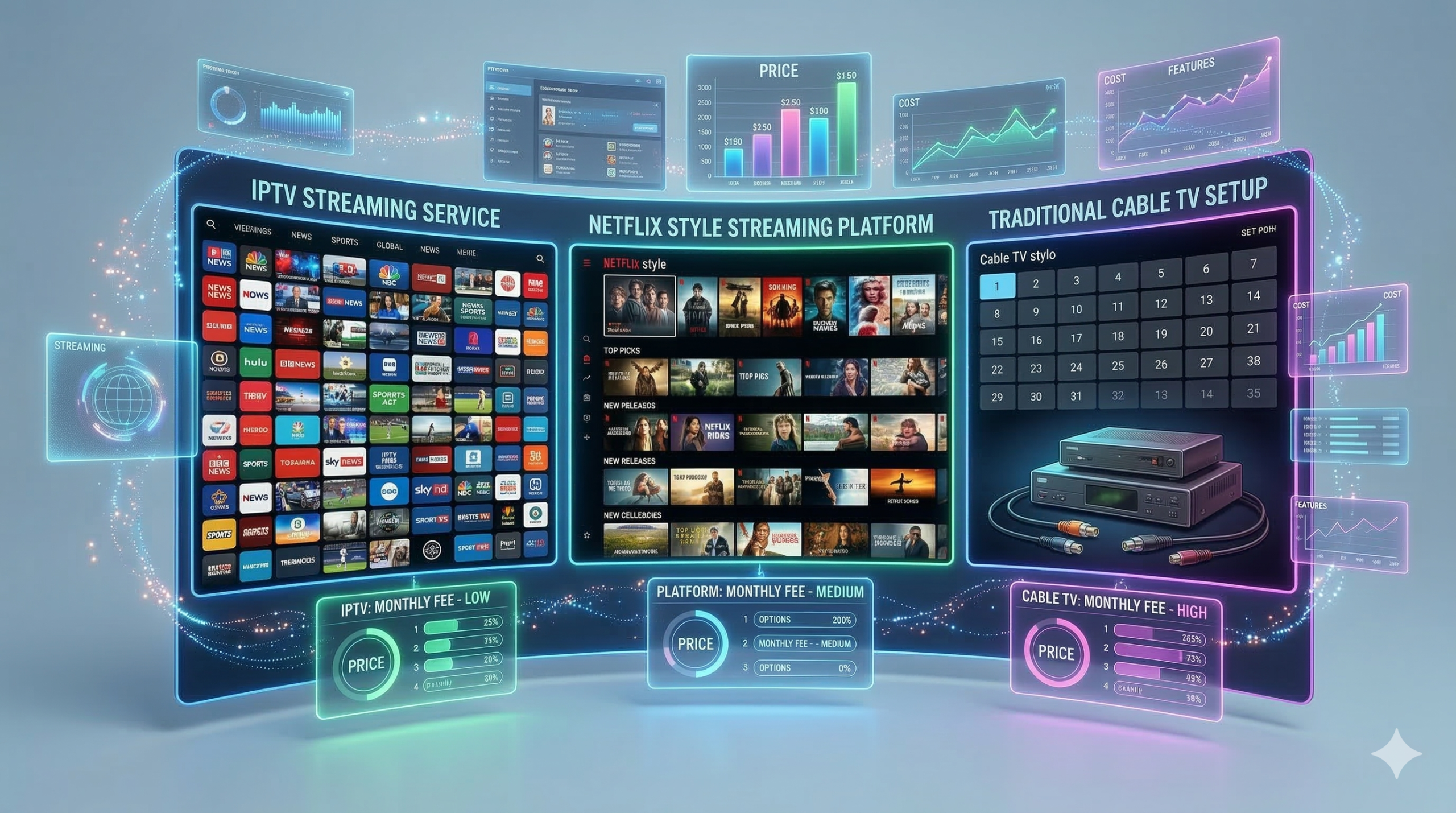
| Feature | Cable TV | Netflix | IPTV |
|---|---|---|---|
| Monthly Cost | Highest | Moderate | Usually lower |
| Live Channels | Yes | No | Yes |
| On-Demand Library | Limited | Strong | Often included |
| Flexibility | Low | High | Very high |
Channel Availability Comparison
One of the biggest differences between IPTV, Netflix, and cable TV is the type of content each platform delivers.
Cable TV Channels
Cable providers typically offer regional channel packages that include local stations, news channels, sports networks, and entertainment channels.
Access to international channels often requires extra packages or premium upgrades.
Netflix Content Library
Netflix focuses entirely on on-demand entertainment. Subscribers can watch movies, TV series, documentaries, and Netflix Originals.
However, Netflix does not provide live sports, live television channels, or real-time broadcasts.
IPTV Channel Selection
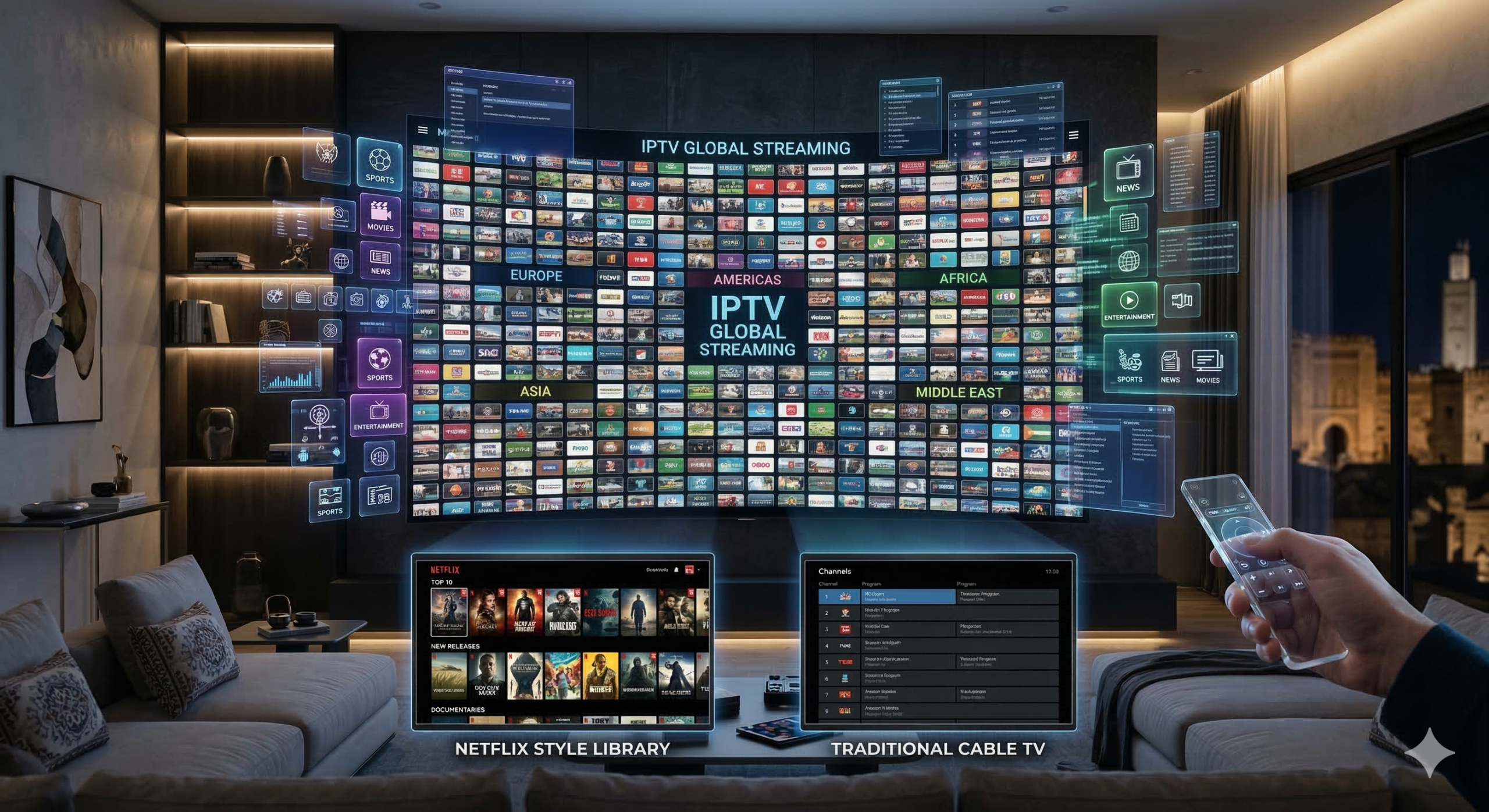
IPTV services usually provide the broadest content variety. Many platforms offer thousands of live TV channels, international networks, live sports, movies, series libraries, and kids entertainment.
Because IPTV is internet-based, it can deliver channels from multiple countries inside a single subscription.
Flexibility and Device Compatibility
Modern users want entertainment that works across multiple devices without being tied to one room or one hardware setup.
Cable TV Limitations
Cable TV often requires a physical cable box, installation at a fixed location, and extra equipment for multiple televisions.
Netflix Flexibility
Netflix is highly flexible and works on smart TVs, tablets, phones, game consoles, and streaming devices. It is excellent for on-demand viewing.
IPTV Flexibility
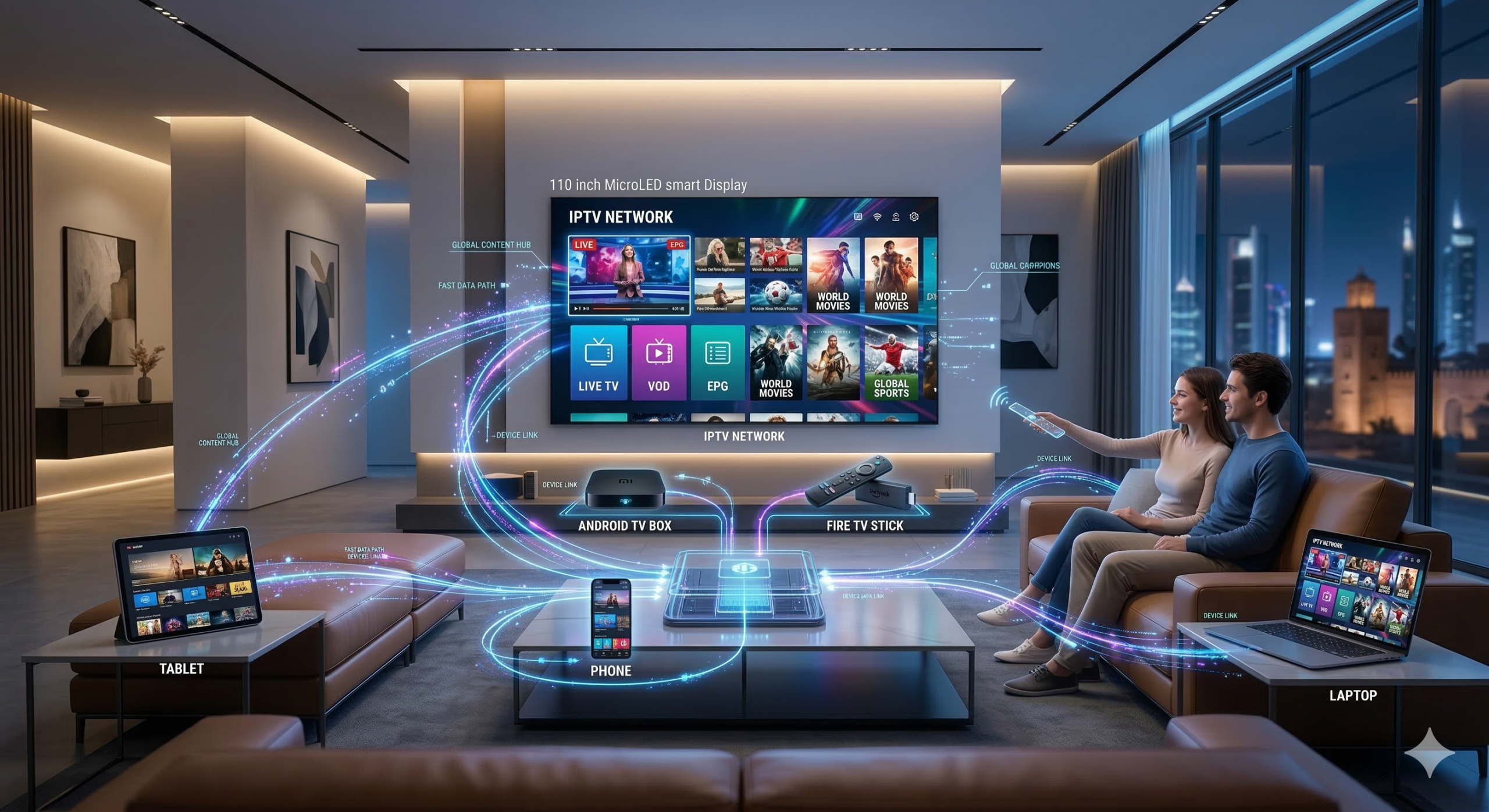
IPTV combines streaming convenience with live TV access. Most IPTV services work on smart TVs, Android TV devices, Firestick, smartphones, tablets, and Windows or Mac computers.
That makes IPTV one of the most flexible entertainment options available in 2026.
Streaming Quality Comparison
Streaming quality is another major factor when comparing IPTV, Netflix, and cable TV.
Cable TV Quality
Cable TV often delivers stable quality, but it is still limited by the broadcast infrastructure of the provider. Many channels remain in standard HD.
Netflix Video Quality
Netflix offers excellent video quality, including HD, Full HD, and 4K Ultra HD depending on the subscription plan and internet speed.
IPTV Streaming Quality
Modern IPTV providers also support HD, Full HD, and 4K content where available. High-quality providers use powerful servers to deliver smooth playback and minimal buffering.
The best IPTV experience comes from combining a stable provider with a strong internet connection and a reliable player app.

Which Is Better: IPTV, Netflix, or Cable?
The best option depends on the type of entertainment you want.
Cable TV is best for:
- Traditional TV viewers
- Local channel packages
Netflix is best for:
- Movies and TV series
- On-demand streaming
IPTV is best for:
- Live TV channels
- Sports broadcasts
- Global television access
- Flexible streaming across devices
Because IPTV combines live television with streaming convenience, it has become one of the most appealing alternatives to traditional cable services.
Why Many Users Are Switching to IPTV
Millions of viewers worldwide are now choosing IPTV instead of cable because it offers more value and more flexibility in one package.
Key reasons include:
- Lower subscription costs
- Larger channel selections
- Multi-device compatibility
- Access to global entertainment
Platforms like IPTV Mercury provide stable servers and flexible plans designed for viewers who want a modern streaming experience.
You can browse available IPTV subscriptions here:
If you’re interested in starting your own IPTV business, IPTV Mercury also offers a reseller system:
https://iptvmercury.com/product/iptv-mercury-reseller-system/
Frequently Asked Questions
Is IPTV cheaper than cable TV?
In many cases, yes. IPTV services are usually more affordable than cable while offering more channels and greater flexibility.
Does Netflix include live TV channels?
No. Netflix focuses on on-demand entertainment such as movies, series, and originals, but it does not provide live TV channels or live sports.
What makes IPTV different from Netflix?
IPTV usually includes live television channels, sports, and on-demand content, while Netflix focuses only on on-demand streaming.
Which option is best for sports fans?
IPTV is often the better choice for sports fans because it commonly includes live sports channels and real-time broadcasts.
Can IPTV work on multiple devices?
Yes. Most IPTV services support several devices such as Smart TVs, Firestick, Android TV boxes, smartphones, tablets, and computers.
Who should choose cable TV in 2026?
Cable TV may still suit viewers who mainly want local channels and prefer a more traditional home television setup.
Final Thoughts
The television landscape in 2026 offers more choices than ever before. While traditional cable TV still exists, internet-based platforms like Netflix and IPTV have fundamentally changed how people consume entertainment.
When comparing IPTV vs Netflix vs cable TV, IPTV stands out for viewers who want the most complete package by combining live channels, sports broadcasts, and on-demand content in one place.
Understanding these differences helps you choose the entertainment platform that best matches your budget, viewing style, and content preferences.
Explore IPTV Mercury Plans
Get flexible IPTV subscriptions, global entertainment access, and a modern streaming experience built for today’s devices.


